

Welcome! Your body often sends signals when something is off balance. Paying attention to these cues can make a powerful difference in your well-being. This is especially true for your blood sugar levels. Many individuals experience changes long before a formal diabetes label is given.
Spotting the early signs gives you a crucial advantage. It empowers you to take control and make positive changes for your long-term health. This guide is designed for everyday people who want to understand what’s happening inside their body.
We will walk you through the common indicators of elevated glucose. You will learn what to look for and when it might be time to consult a professional. The information is presented in clear, simple language. You don’t need a medical degree to protect yourself and your loved ones.
Key Takeaways
- Your body provides early warnings about blood sugar imbalances.
- Recognizing these signals early can be a life-changing step for your health.
- Many people experience elevated glucose levels before a diagnosis.
- This knowledge empowers you to take preventive action.
- Understanding these signs does not require medical expertise.
- Proactive steps can help you avoid serious complications later on.
Understanding High Blood Sugar and Its Impact
Your body has a sophisticated energy management system that works tirelessly behind the scenes. This system ensures you have the fuel needed for everything from thinking to moving. When this balance is disrupted, it can lead to important health considerations.
What is High Blood Sugar?
Hyperglycemia occurs when there’s excess glucose circulating in your bloodstream. After eating, your digestive system breaks down carbohydrates into sugar molecules. Glucose serves as your primary energy source.
This glucose enters your blood but cannot access most tissue cells without assistance. Your pancreas releases insulin when blood glucose rises. Insulin acts like a key that unlocks cells, allowing glucose to enter and provide energy.
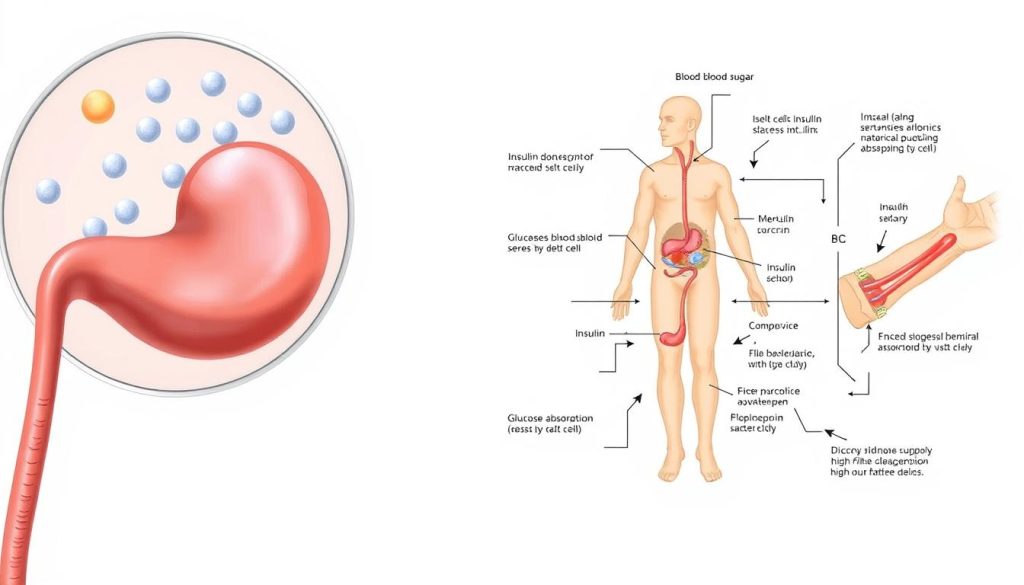
How Elevated Glucose Affects Your Body
When this delicate system falters, glucose accumulates in your blood. This happens if your body doesn’t produce enough insulin or your cells resist its effects. Despite plenty of glucose available, your cells become energy-starved.
Understanding this basic mechanism helps explain why certain changes occur. It also highlights why early awareness matters for long-term well-being. This knowledge empowers you to recognize when your body needs support.
Identifying Early Warning Signs
The earliest indicators of imbalanced glucose often appear as everyday discomforts. Many people experience these changes without realizing their significance. Learning to recognize these signals can help you take timely action.
Recognizing Increased Thirst and Frequent Urination
When glucose accumulates in your bloodstream, it creates a noticeable pattern. Excess sugar pulls fluid from your tissues, leaving you feeling constantly thirsty. Your kidneys work overtime to filter out the extra glucose, leading to more bathroom visits.
This cycle of increased thirst and frequent urination often serves as the most obvious clue. People might dismiss it as normal dehydration or caffeine effects. Paying attention to persistent patterns makes all the difference.

Other Subtle Early Symptoms
Several other changes can signal elevated glucose levels. Blurred vision occurs when fluid shifts affect your eye lenses. Unusual hunger persists even after eating regular meals.
Headaches and general fatigue are common complaints that many ignore. Recurrent infections, especially yeast or skin issues, may indicate your body needs support. Slow-healing cuts and unexpected weight loss also deserve attention.
Remember that noticing these signs doesn’t mean you have a serious condition. It simply suggests it’s time to consult a healthcare professional. Early awareness gives you the power to make positive changes.
symptoms of high blood sugar before diabetes diagnosis
Empowering yourself with knowledge about glucose monitoring can be a game-changer. Understanding your numbers helps you spot patterns that might otherwise go unnoticed. This awareness puts you in the driver’s seat of your health journey.
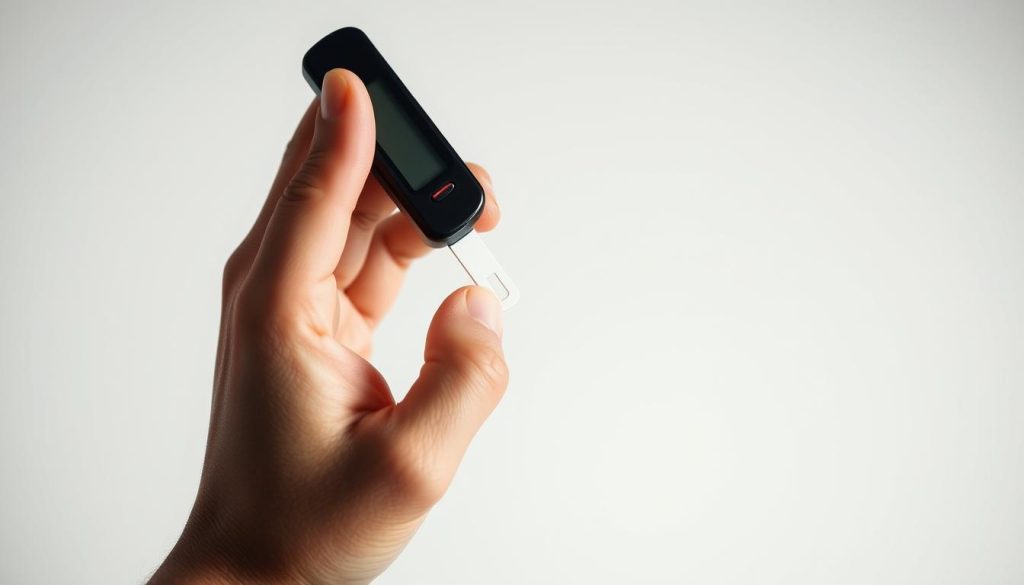
How to Monitor Blood Glucose Levels
Several tools are available for checking your blood glucose at home. Finger-stick meters provide quick readings using a small drop of blood. Continuous monitors offer real-time tracking throughout the day.
Even without a formal diabetes diagnosis, testing can be insightful. It helps you understand how food, activity, and stress affect your blood sugar levels. Keeping a simple log creates a valuable picture for your healthcare provider.
When to Seek Medical Advice
Contact your doctor if you notice persistent changes or concerning readings. Numbers consistently above 200 mg/dL warrant professional attention. This is especially true if you experience other signs of hyperglycemia.
Seek immediate help if you cannot keep fluids down or your glucose stays above 240 mg/dL. These situations require prompt medical care. Remember that early intervention often leads to better outcomes.
Exploring the Causes and Contributing Factors
Several key factors can disrupt your body’s natural glucose regulation system. Understanding these elements helps you identify personal risk areas. This knowledge empowers you to make targeted changes.
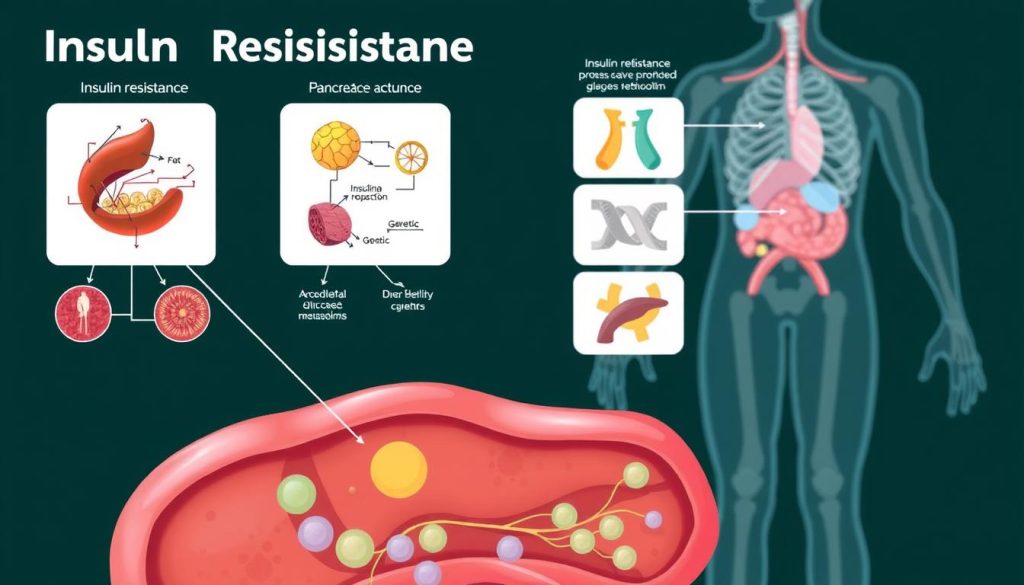
Insulin Resistance and Pancreatic Function
Insulin resistance occurs when your muscle, fat, and liver cells stop responding properly to this vital hormone. Your body must produce more and more insulin to get glucose into cells. This creates a cycle that can lead to serious health concerns.
When your pancreas cannot make enough insulin to meet demand, glucose builds up in your bloodstream. This can happen due to autoimmune conditions or chronic inflammation. Type 1 diabetes involves the immune system attacking insulin-producing cells.
Lifestyle and Medication Impacts
Daily habits significantly influence your body’s insulin sensitivity. Obesity, especially excess belly fat, increases resistance risk. Physical inactivity and diets rich in processed foods also contribute.
Certain medications can affect your glucose levels. These include corticosteroids, some blood pressure drugs, and psychiatric treatments. Even stress hormones like cortisol can temporarily spike your numbers during illness or emotional challenges.
Remember: Identifying these factors gives you power to address them proactively. Discuss medication concerns with your healthcare provider for personalized guidance.
Managing and Preventing High Blood Sugar Episodes
Building sustainable routines is the foundation for maintaining balanced energy levels throughout the day. Small, consistent changes create powerful results over time.
Practical Tips for Lifestyle Modifications
Regular physical activity improves how your cells respond to insulin. Even short walks after meals help move glucose from your bloodstream into cells.
Consistency matters most when taking medications. Follow your healthcare provider’s directions carefully for optimal results.
Monitoring and Adjusting Your Diet
Meal timing and portion control are crucial. Focus on whole foods that provide steady energy without sharp spikes.
Keep a simple log to understand how different foods affect your system. This empowers you to make informed choices.
Remember: Sustainable changes beat perfection every time. Your long-term health benefits from consistent, manageable adjustments.
Understanding Potential Complications and Risks
When glucose levels remain elevated for extended periods, they can quietly affect multiple body systems. This awareness helps motivate proactive health decisions for long-term well-being.
Persistent hyperglycemia creates a domino effect throughout your body. Over years, it can gradually damage delicate blood vessels and tissues.
Long-Term Health Complications
Cardiovascular disease becomes more likely when blood vessels sustain ongoing damage. This is why heart health and glucose management are closely connected.
Nerve damage (neuropathy) may cause tingling or numbness in extremities. Kidney damage can progress silently if glucose remains uncontrolled.
Eye complications develop when retinal vessels become compromised. Foot problems may arise from poor circulation and nerve issues.
Emergency Situations: Ketoacidosis and More
Diabetic ketoacidosis occurs when insulin levels drop dangerously low. Your body begins breaking down fat, producing toxic ketones.
Warning signs include fruity breath and confusion. This condition requires immediate medical attention to prevent serious health risk.
Another emergency involves extremely high glucose without ketones. Both situations can lead to dehydration and consciousness loss.
Remember: These complications are largely preventable with early detection and consistent management.
Seeking Professional Guidance and Testing Options
Professional medical advice can provide clarity and direction when you notice concerning changes. Your healthcare provider serves as a valuable partner in understanding your body’s signals.
When to Consult Your Healthcare Provider
Schedule an appointment if you experience multiple concerning signs or have risk factors like family history. Persistent readings above 240 mg/dL warrant professional attention.
Seek immediate help if you cannot keep food or fluids down. Emergency care is needed for severe hyperglycemia with confusion or fruity breath.
Available Tests and Diagnostic Approaches
Several test options help assess your glucose level. The fasting blood glucose test measures your sugar after overnight fasting.
The hemoglobin A1C test shows average blood sugar level over several months. An oral glucose tolerance test checks how your body processes sugar after drinking a special beverage.
Undiagnosed people often notice changes at lower levels than those with established diabetes. Early testing provides crucial information for prevention.
Conclusion
Being proactive about your wellness means paying attention to subtle changes. Recognizing early signs of imbalanced glucose gives you a powerful advantage. This awareness puts you in control of your long-term health journey.
Watch for patterns like increased thirst, frequent bathroom visits, and unusual fatigue. Blurred vision or slow-healing cuts also deserve attention. Early detection through simple testing can make a significant difference for many people.
Remember that consistent, manageable choices create the best results. Whether you schedule a check-up or adjust daily habits, each step matters. Your knowledge and action today shape your wellbeing tomorrow.