
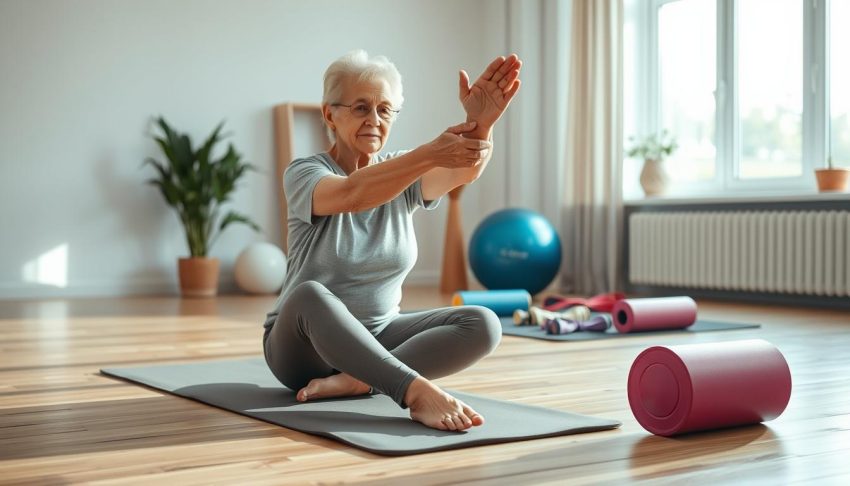
Living with joint pain and stiffness can make daily life challenging. Many people with arthritis conditions often avoid physical activity, fearing it might worsen their discomfort.
The truth is quite different. Regular movement can actually transform how you experience symptoms. It helps maintain joint flexibility and reduces pain over time.
Before starting any new routine, always consult your healthcare provider. They can help create a safe plan tailored to your specific needs.
Physical activity works best alongside medical treatments, not as a replacement. From gentle stretching to strength training, various exercises offer significant benefits.
This guide will show you how to incorporate movement into your life safely. You’ll discover practical ways to improve mobility and take control of your health journey.
Key Takeaways
- Physical activity helps reduce joint pain and stiffness for people with arthritis
- Always consult a healthcare professional before beginning any new exercise program
- Movement should complement medical treatments rather than replace them
- Different types of exercises offer benefits for mobility and overall health
- Regular activity can improve quality of life while managing rheumatic symptoms
- Proper exercise can increase flexibility and range of motion in joints
- Safe approaches exist for those concerned about pain during physical activity
Understanding Rheumatism and Exercise: Why It Helps
Many individuals with joint conditions wonder about physical activity’s role in their daily lives. The connection between movement and symptom management might surprise you.

The Benefits of Physical Activity for Joint Health
Regular movement provides remarkable advantages for those with arthritis. It helps maintain joint lubrication and reduces inflammation naturally.
Physical activity prevents muscle atrophy that can occur from prolonged inactivity. Strong muscles better support your joints, reducing pressure and discomfort.
Cardiovascular benefits are particularly valuable. Since rheumatic conditions increase heart disease risk, keeping your heart healthy becomes extra important.
How Exercise Reduces Stiffness and Improves Mobility
Gentle movement counteracts the stiffness that develops during long periods of sitting. It helps maintain your range of motion and flexibility.
Research shows consistent activity actually reduces pain and discomfort for many people. The improved blood flow brings oxygen to affected areas, promoting healing.
Even simple stretches can make a significant difference in daily functioning. They keep joints mobile and prevent that “locked up” feeling many experience.
Consulting Your Doctor Before Starting a Routine
Always speak with your healthcare provider before beginning any new physical program. They understand your specific condition and can recommend safe approaches.
Your doctor might suggest working with a physical therapist initially. These professionals create personalized plans that address your unique needs and limitations.
Starting slowly under medical guidance ensures you build confidence while protecting your joints. This careful approach helps overcome fears about activity making symptoms worse.
Remember that movement complements medical treatments rather than replacing them. Together, they form a powerful strategy for managing your condition effectively.
Best Exercises for Managing Rheumatism Symptoms
Movement becomes medicine when approached with knowledge and care. The right activities can significantly reduce discomfort while improving your overall well-being.
Different approaches target various aspects of your condition. Some focus on flexibility while others build strength or endurance.
Always listen to your body and move within comfortable limits. Each person’s journey with joint health is unique.
Stretching and Range of Motion Activities
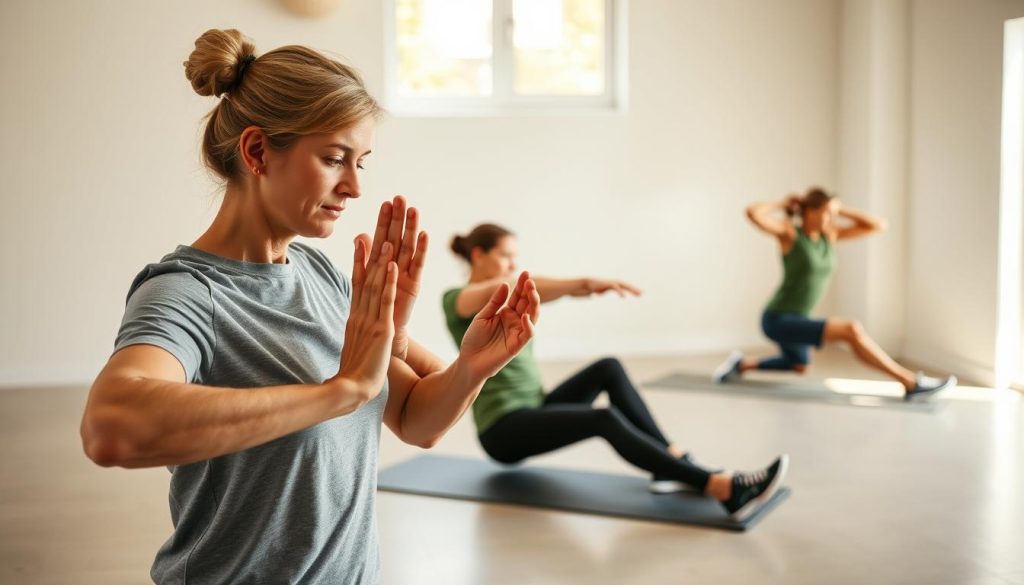
Gentle stretching maintains joint flexibility and reduces stiffness. Begin with a 3-5 minute warm-up to prepare your body.
Hold each stretch for 10-20 seconds without bouncing. This approach safely improves your range of motion.
Regular practice keeps joints mobile and functional. It prevents that tight feeling that develops with inactivity.
Low-Impact Aerobic Exercises Like Walking and Swimming
Walking provides excellent cardiovascular benefits without joint stress. It strengthens your heart while boosting mood.
Aquatic activities offer remarkable advantages. Water supports body weight, reducing pressure on sensitive areas.
Warm water particularly helps decrease stiffness. The natural resistance builds strength gently.
Stationary biking is another safe option. It protects joints while providing heart-healthy benefits.
Strength Training and Resistance Workouts
Building muscle support takes stress off weakened joints. Use light weights or resistance bands for safety.
Body weight exercises also work effectively. Focus on proper form to prevent injury.
Stronger muscles better protect your joints. This reduces pain during daily activities.
Yoga and Tai Chi for Flexibility and Balance
These ancient practices combine breathing, movement, and meditation. They improve flexibility while reducing stress.
Tai chi emphasizes flowing movements and balance. Both disciplines offer modified positions for different ability levels.
The Arthritis Foundation provides excellent resources. Their yoga and tai chi DVDs guide safe practice.
These activities particularly benefit those seeking holistic approaches. They address both physical and emotional well-being.
Hand and Finger Exercises for Specific Needs
People with rheumatoid arthritis often need specialized attention. Gentle hand movements maintain dexterity and function.
Try bending wrists and curling fingers slowly. Tendon-gliding exercises improve movement in hands and wrists.
These targeted activities preserve fine motor skills. They help maintain independence in daily tasks.
Consistent practice prevents stiffness in small joints. Even few minutes daily make significant differences.
Tips for Safe and Effective Exercise Routines
Creating a sustainable movement plan requires smart strategies. These approaches help you stay active while respecting your body’s needs.
Small adjustments make big differences in comfort and results. Listen carefully to what your body tells you during each session.
Modifying Exercises During Flares or Discomfort
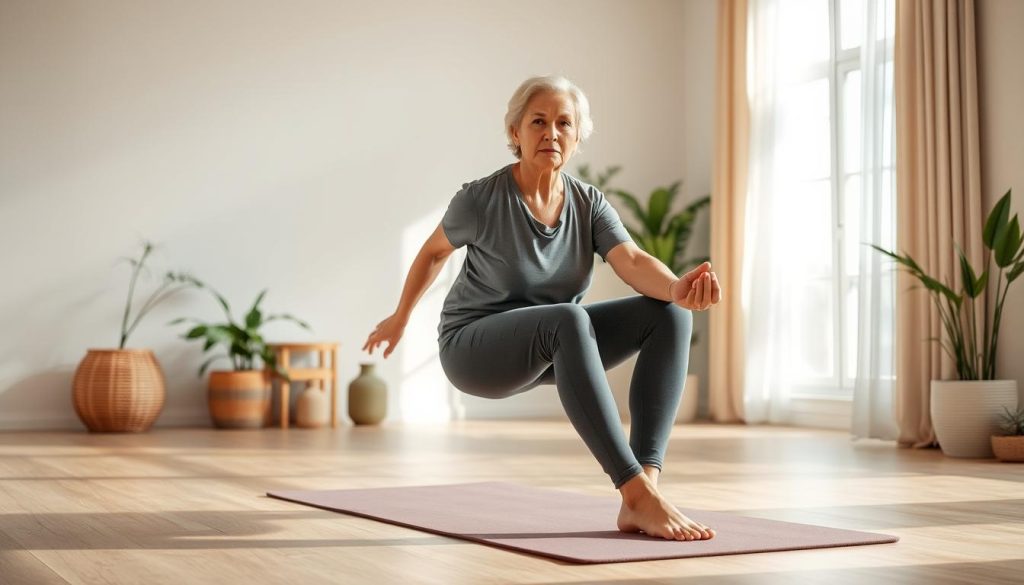
When symptoms increase, reduce intensity rather than stopping completely. Shorter sessions spread throughout the day work better than longer ones.
Three 10-minute periods often feel more manageable than 30 continuous minutes. This approach maintains progress without overwhelming sensitive areas.
Choose gentler movements during challenging periods. Water-based activities provide excellent support when land exercises feel difficult.
Incorporating Breaks and Pacing Your Sessions
Regular pauses prevent overexertion and maintain energy levels. Schedule brief rest periods between activity segments.
During sedentary times, make small body movements every 15-20 minutes. Get up every 45 minutes to keep larger joints mobile.
This balanced approach reduces stiffness while protecting your joints. It keeps you moving without pushing beyond comfortable limits.
Using Proper Equipment and Environment Choices
Good shoes provide stability and protect your balance during standing activities. Slip-resistant mats prevent falls during floor work.
Comfortable clothing allows full range of motion without restriction. The right gear makes movement safer and more enjoyable.
Environment selection matters greatly. Water exercises reduce joint pressure while providing natural resistance.
Indoor settings offer climate control for temperature-sensitive conditions. Outdoor activities provide fresh air and mood benefits.
| Equipment Type | Benefits | Considerations |
|---|---|---|
| Supportive Footwear | Improves balance and reduces fall risk | Choose wide toe boxes for swollen feet |
| Yoga Mat | Provides cushioning for joint protection | Select non-slip surface for safety |
| Resistance Bands | Gentle strength training option | Start with light resistance levels |
| Aquatic Gear | Enables water exercise participation | Water shoes prevent pool surface slips |
Seeking Guidance from Physical Therapists
These specialists create personalized plans addressing your specific needs. They understand how different conditions affect movement patterns.
Even 2-3 sessions provide lasting benefits through customized advice. Therapists teach proper form to prevent injury during home activities.
Occupational therapists help with hand-specific challenges and adaptive equipment. They recommend splints and tools that make daily tasks easier.
Professional guidance ensures your program matches your current abilities. It builds confidence while maximizing safety and results.
Conclusion
Your path to better mobility starts with finding activities you genuinely enjoy. Research shows consistent movement reduces discomfort and improves joint function over time.
Always begin slowly with professional guidance. A physical therapist can create a personalized program that matches your abilities.
The best routine is one you’ll stick with long-term. Whether it’s gentle stretching or water-based activities, find what works for you.
Movement empowers you to manage symptoms rather than letting them control your life. With patience and proper approach, you can significantly enhance your daily experience.