
Welcome to a friendly guide on managing your health. Keeping track of your glucose is a powerful step for anyone living with diabetes. It gives you real-time information about how your body works.
This process helps you see how food, activity, and medication affect your levels. Staying within a healthy range is crucial for your well-being. If glucose gets too low, it can disrupt your thinking. If it stays too high for years, it may lead to complications.
Whether you are new to this or have experience, our guide is here to help. We will walk you through choosing devices and understanding your results. Millions of people check their levels daily, and you can, too.
We cover traditional meters and newer continuous technology. Finding the right approach for your lifestyle is key. What might seem technical at first quickly becomes a simple, valuable routine.
Key Takeaways
- Regular glucose checks provide essential, real-time health information.
- Maintaining levels in a target range is vital for preventing complications.
- This guide simplifies the process, from device selection to understanding results.
- Both traditional meters and continuous monitors are covered for different needs.
- With practice, monitoring becomes a quick and empowering daily habit.
Understanding the Importance of Blood Sugar Monitoring
When you live with diabetes, knowing your numbers becomes an essential part of daily life. Regular checks give you a clear picture of how well your current plan is working. This information helps you make smart choices about food, activity, and medication.
Benefits of Regular Glucose Checks
Consistent tracking reveals your body’s unique patterns. You’ll see how different foods, stress, and exercise affect your glucose levels throughout the day. This knowledge helps you catch issues early, before uncomfortable symptoms appear.
People who check regularly often have better diabetes control. They experience fewer emergencies and feel more confident managing their condition. It’s like having a conversation with your body about what it needs.
Why Staying in Your Target Range Matters
Maintaining your personal target range is crucial for long-term health. High blood sugar over time can lead to complications affecting your eyes, kidneys, and heart. Low blood sugar can cause immediate dangerous symptoms.
Your ideal range is personalized based on factors like age and health history. Understanding why this matters helps you stay motivated with checking, even on busy days. It’s your key to preventing problems before they start.
How to monitor blood sugar at home: Choosing the Right Devices
Finding the ideal monitoring device can transform your daily diabetes care routine. The right equipment provides accurate information and fits seamlessly into your lifestyle.
Glucose Meters vs. Continuous Glucose Monitors
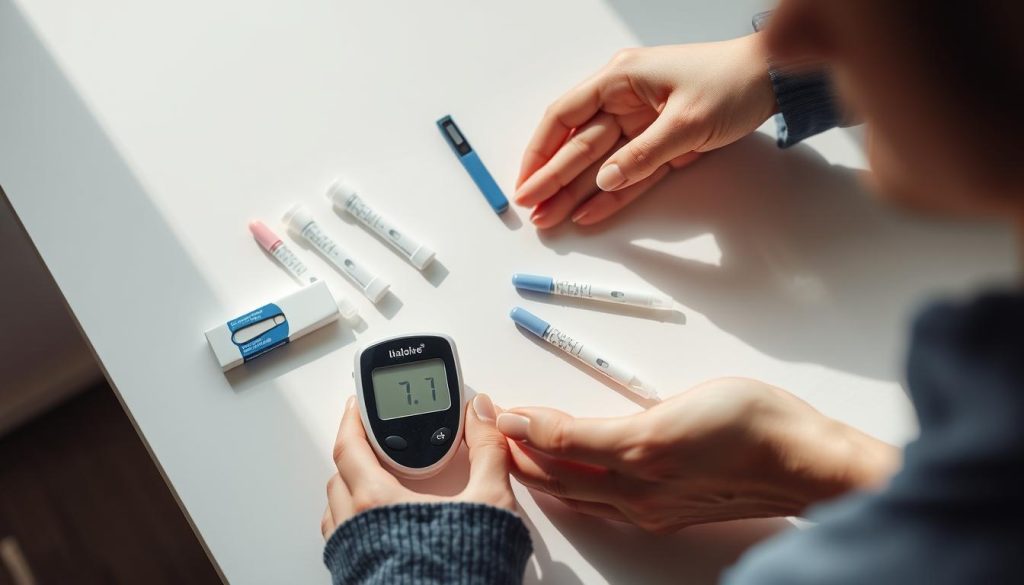
Traditional glucose meters give you snapshot readings. You use a lancet for a quick finger prick and place the blood on a test strip.
The meter displays your blood sugar level in seconds. This method works well for checking at specific times.
Continuous glucose monitors offer 24-hour tracking. A small sensor under your skin measures glucose every few minutes.
CGMs provide constant information without finger sticks. They can alert you to dangerous highs or lows.
Navigating Insurance Coverage
Check which devices your insurance plan covers. Many providers cover basic glucose meters and test strips.
Continuous glucose monitors may need special approval. Your healthcare provider can help with documentation.
Discuss cost concerns openly with your doctor. Many manufacturers offer discount programs for affordable monitoring.
Your choice depends on your diabetes type and insulin needs. The right equipment makes managing your health easier.
Step-by-Step Guide to Checking Your Glucose Levels
A consistent testing routine provides valuable insights into your body’s responses. Following proper steps ensures accurate readings that guide your daily decisions. This process becomes second nature with regular practice.
Preparing for a Test: Hand Washing and Equipment Setup
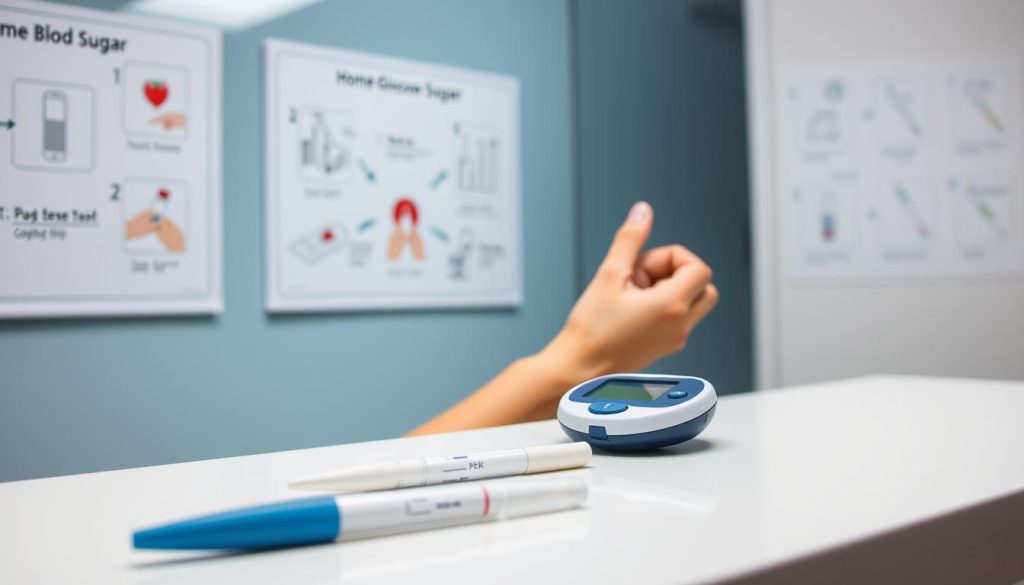
Begin by gathering your glucose meter, test strips, and lancing device. Have a clean tissue ready nearby for convenience. Proper preparation sets the stage for reliable results.
Wash your hands thoroughly with soap and warm water. Dry them completely to remove any residue. Food particles or lotions can affect your test accuracy.
Insert a fresh test strip into your meter until it clicks. Most devices power on automatically when ready. Always follow your specific meter’s instructions for best performance.
Performing the Finger Stick and Reading Results
Use your lancing device on the side of your fingertip near the nail. This area has fewer nerve endings for less discomfort. Avoid the fingertip pads you use for daily activities.
Gently squeeze from the base of your finger toward the tip. This action helps produce an adequate drop of blood. Touch the test strip edge to the drop for absorption.
Within seconds, your glucose meter displays the current reading. Note the time and date for your records. These results help you understand your blood glucose patterns throughout the day.
Some meters allow testing from alternate sites like your forearm. This gives your fingers a welcome break. Always dispose of used lancets and strips properly for safety.
Interpreting Your Test Results and Managing Your Diabetes Care
Understanding what your numbers tell you transforms raw data into actionable health insights. Each glucose reading provides valuable information about your body’s response to food, activity, and medication.
Understanding Target Ranges and What They Mean
Your target range is personalized based on your individual health situation. The American Diabetes Association suggests general guidelines for most adults.
Before meals, aim for 80-130 mg/dL. One to two hours after eating, target less than 180 mg/dL. An A1C below 7% indicates good long-term control.
Your doctor may set different targets based on factors like age and other health conditions. These personalized goals help optimize your diabetes care plan.
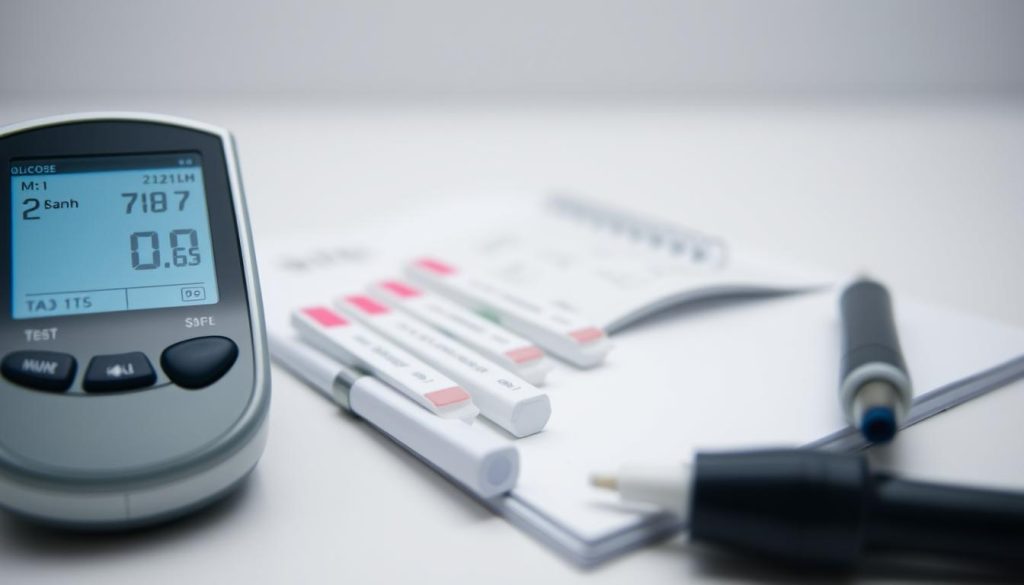
Look for patterns in your results over several days. If your glucose level is consistently high or low at the same time, your care plan may need adjustment.
When results fall outside your target range, document what you ate and your activity level. This information helps your provider understand what influenced the reading.
When to Consult Your Doctor
Contact your healthcare provider right away if you experience repeated very high readings above 300 mg/dL. Also seek immediate advice for symptoms like excessive thirst or urination.
Your blood glucose numbers are tools, not judgments. They help you and your doctor make informed decisions about medications and lifestyle adjustments.
Always bring your glucose log to appointments. Your provider can review the data and help identify trends you might have missed.
Practical Tips for Accurate and Reliable Monitoring
Getting consistent and reliable results from your glucose meter depends on simple daily habits. Proper care of your equipment ensures precise readings that guide your health decisions. These practices make your data truly valuable for managing your condition.
How to Maintain Your Devices for Precise Readings
Keep your meter clean and store it at room temperature. Extreme heat or cold can affect its performance. Always check that your test strips are not expired before use.
Follow the manufacturer’s instructions for device care. This simple step prevents many common problems. Your meter will give you trustworthy information when maintained properly.
Recording Your Blood Glucose Data Effectively
Consistent logging creates a clear picture of your glucose levels over time. Most meters save results automatically. You can also use smartphone apps or a simple notebook.
Record the date, time, and reading for each test. Note whether it was before or after meals. This detailed information helps your doctor understand patterns.
Integrating Monitoring with Your Daily Routine
Make testing a natural part of your day. Check at consistent times like morning, before meals, or bedtime. This creates helpful patterns in your data.
Set phone alarms or keep supplies in one convenient location. Pair testing with existing habits like morning coffee. You may need more frequent checks during illness or medication changes.
Bring your meter to doctor appointments to verify accuracy. Consistent monitoring provides the complete picture needed for optimal diabetes care.
Common Challenges and Troubleshooting in Home Monitoring
Even the most experienced users can sometimes face hurdles with their glucose meter. Don’t worry—this is a normal part of the process. Most issues have simple fixes that get you back on track quickly.
Troubleshooting Device Errors and Inaccurate Readings
Your device might show an error message. Common ones relate to temperature or an insufficient blood sample. If you see a temperature warning, let your meter adjust to room temperature before testing again.
An “insufficient sample” error means the test strip did not get enough blood. Warm your hands with water first. Let your arm hang down. Then squeeze gently from the base of your finger.
If a reading seems unexpected, your first step is simple. Wash your hands thoroughly and perform the test again. Check that your test strips are not expired or damaged.
Is your meter not turning on? Look for a battery symbol. Most devices use common batteries you can replace by following the instructions in your user manual.
Overcoming Technical and User Challenges
Sometimes your numbers might not match how you feel. If your meter shows a normal reading but you have symptoms of high or low blood sugar, retest. If symptoms continue, contact your healthcare provider.
For consistent accuracy concerns, you may need to compare your meter’s results with a lab test during a doctor’s visit. The manufacturer’s customer service can also help if the device seems faulty.
Remember, technical problems happen to everyone. Solutions are always available. Check the user manual first. Most companies offer 24/7 helplines. Your diabetes educator can provide hands-on help.
Don’t let occasional challenges discourage you. With a little troubleshooting, you can resolve most issues and maintain your important testing routine.
Conclusion
You’ve just gained powerful tools for taking control of your health journey. Learning about glucose tracking empowers you to manage your diabetes with confidence.
Whether using traditional finger stick testing or continuous technology, consistent monitoring provides essential information. Your healthcare provider uses this data to make smart decisions about your care.
Millions of people with diabetes successfully check their levels daily. With practice, this becomes a quick routine that protects your health.
Working closely with your healthcare provider is essential. They help interpret results and adjust insulin when needed.
Stay consistent with your routine, even during busy times. Regular testing helps prevent problems from both high and low blood sugar.
Remember, your numbers are information tools, not judgments. They show what’s working in your diabetes care plan.
If you haven’t already, talk to your doctor about setting up a personalized schedule. Establish clear guidelines for when to report concerning symptoms right away.
You now have everything needed to monitor confidently and live well with diabetes.