
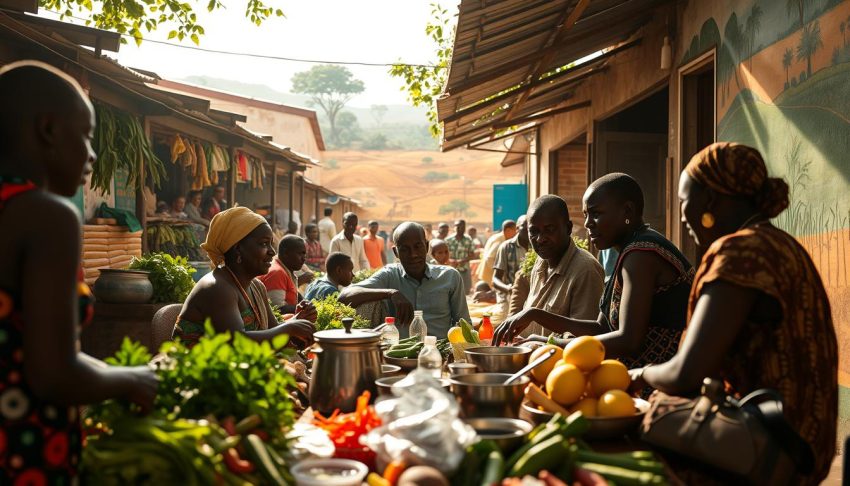
Welcome to a helpful guide created for individuals navigating life with diabetes. This resource focuses on making smart food choices using ingredients commonly found across the continent.
Diabetes affects millions of people in Africa, and effective management is crucial for long-term health. This guide offers practical strategies that fit local lifestyles and food availability.
Our goal is to empower you. You can take control of your well-being by understanding how different foods impact blood sugar. This knowledge helps with daily meal planning and overall condition management.
You don’t have to give up your favorite traditional dishes. It’s about learning new ways to prepare, portion, and combine foods to support stable glucose levels.
We will explore the fundamentals of nutrition, highlight local African foods with beneficial properties, and share actionable tips for successful long-term health.
Key Takeaways
- This guide provides practical dietary advice tailored to African contexts.
- Effective diabetes management is achievable with the right knowledge.
- Traditional meals can be adapted to support stable blood sugar.
- Understanding nutrition is key to taking control of your health.
- The focus is on empowerment and sustainable, long-term strategies.
Understanding Diabetes and Its Impact
Before exploring dietary strategies, it’s crucial to grasp the fundamental nature of diabetes and its various forms. This condition occurs when the body struggles to regulate blood sugar levels properly.
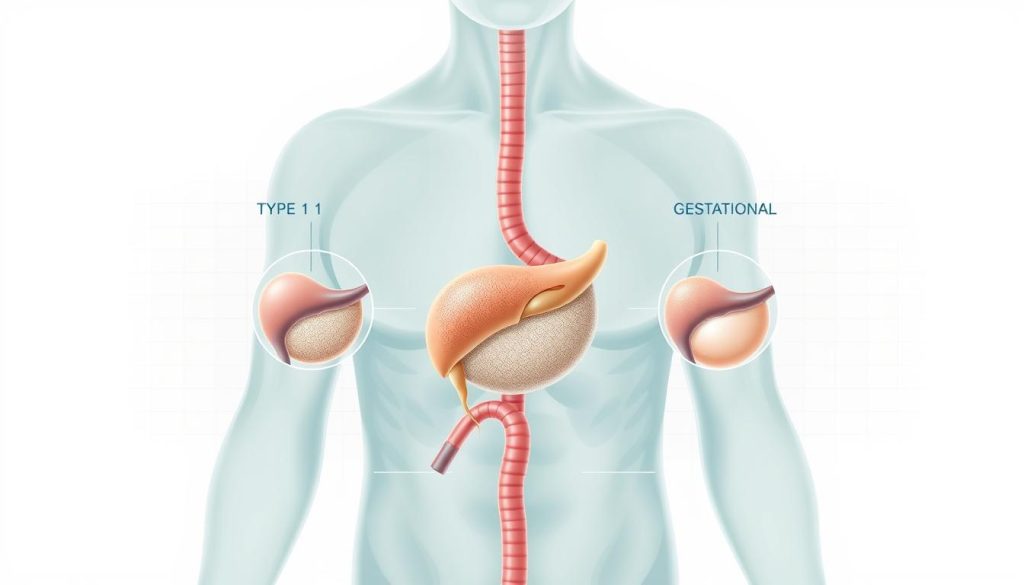
Key Types of Diabetes: Type 1, Type 2, and Gestational
Type 1 diabetes is an autoimmune condition. The body attacks insulin-producing cells in the pancreas. People with this type require lifelong insulin injections.
Type 2 diabetes is more common. The body develops insulin resistance or doesn’t produce enough insulin. Lifestyle factors often contribute to this type.
Gestational diabetes appears during pregnancy. While usually temporary, it increases future diabetes risk for both mother and child.
Health Risks and the Importance of Blood Sugar Control
Unmanaged diabetes poses serious health risks. High sugar levels over time can damage kidneys, eyes, blood vessels, and nerves.
Complications include heart attack, stroke, kidney failure, and blindness. Consistent blood sugar control through lifestyle changes prevents these issues.
In sub-Saharan Africa, diabetes cases are projected to increase dramatically. From 19.1 million in 2015 to 41.4 million by 2035. This highlights the urgent need for effective management strategies.
While there’s no cure, diabetes can be effectively managed. The right knowledge and tools help people live healthy, fulfilling lives.
Nutrition Fundamentals for Diabetes Management
The cornerstone of successful health management lies in understanding how different nutrients affect your body’s response. This approach focuses on smart choices rather than deprivation, helping maintain stable energy throughout the day.
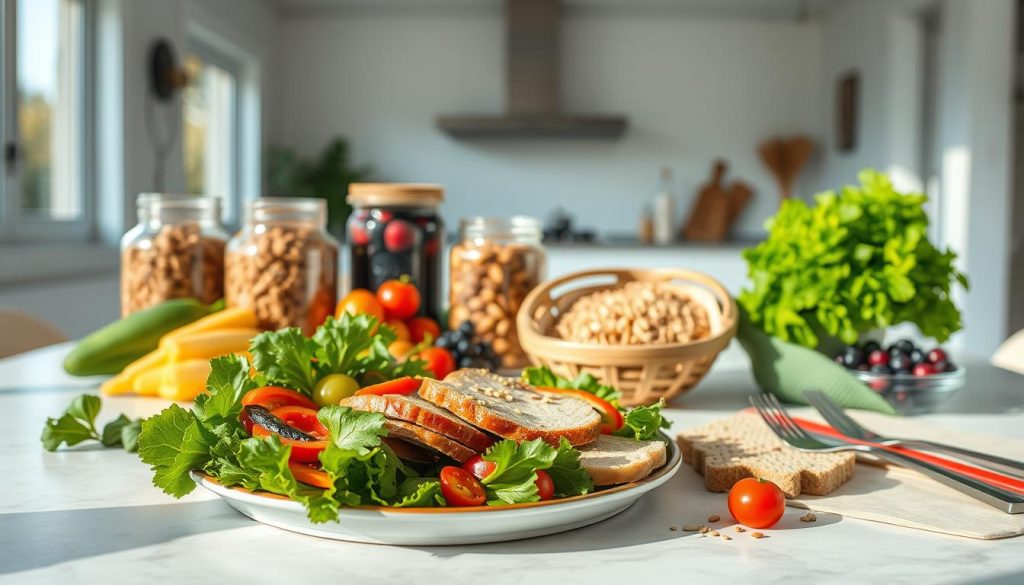
The Role of Lean Proteins, Whole Grains, and Vegetables
Lean proteins like beans, fish, and skinless poultry provide essential nutrients without excessive fat. These options support insulin sensitivity better than fatty meats.
Choosing whole grains over refined versions makes a significant difference. Unprocessed carbohydrates like whole grain millet and unpolished rice contain fiber that slows glucose absorption.
Vegetables should fill half your plate at every meal. African greens like ugu and efo-shoko offer vitamins and minerals with minimal impact on blood sugar levels.
Managing Blood Sugar Levels Naturally
Understanding the glycemic index helps select foods that prevent rapid spikes. Low-GI options release energy slowly, maintaining stable sugar levels.
Different nutrients affect blood sugar differently. Carbohydrates have the most direct impact, while proteins moderate the response. Healthy fats help slow digestion.
Portion control remains crucial. Even healthy grains can raise blood sugar if consumed excessively. Balanced meals with proper portions support optimal levels.
Best Diet Plan for Diabetics in Africa: A How-To Guide
Building a successful eating pattern starts with understanding your personal health profile. Your age, weight, height, and medication needs all influence what works best for you. This approach makes diabetes management more effective and sustainable.
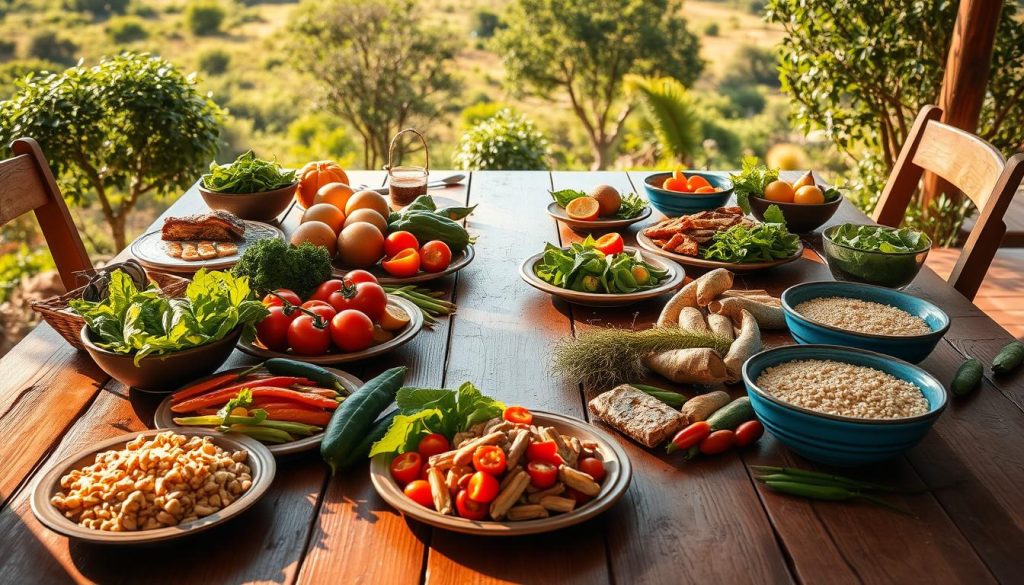
Step-by-Step Meal Planning Strategies
Begin by looking at your current eating habits. Identify which foods help or hurt your blood sugar control. This awareness is the first step toward positive change.
Next, build a foundation of three balanced meals daily. Each should include lean protein, whole grains, and plenty of vegetables. This combination provides steady energy and stable blood sugar levels.
Pay close attention to portion sizes. Even healthy foods like unpolished rice affect blood sugar differently depending on quantity. One cup versus two cups can make a significant difference.
Tailoring Portions and Food Preparation Techniques
Learn cooking methods that preserve nutrients without adding extra fats or sugars. Grilling instead of frying and steaming vegetables are excellent choices. Use herbs and spices for flavor instead of heavy sauces.
Plan your meals in advance to avoid unhealthy last-minute choices. Prepare ingredients ahead of time. Keep diabetes-friendly options readily available.
Avoid processed items like white bread, noodles, and baked goods. These cause rapid blood sugar spikes. Start by modifying one meal at a time for easier adaptation.
Leveraging Local African Foods for Healthy Living
Africa’s culinary landscape is a treasure trove of ingredients naturally suited for supporting well-being. Many traditional staples offer powerful benefits for managing blood sugar, making healthy choices both accessible and delicious.
Incorporating Functional Foods and Bioactive Compounds
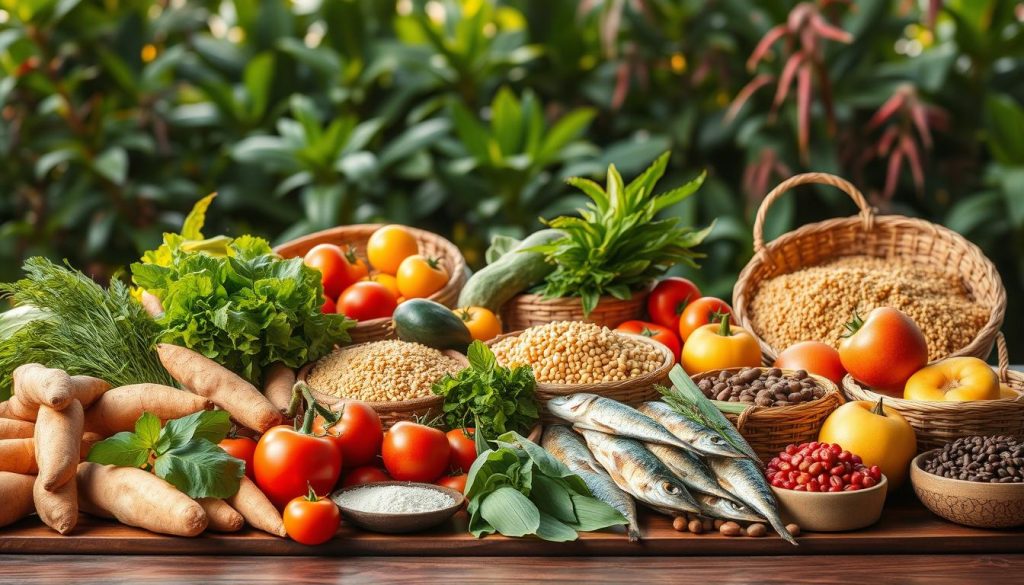
Certain local staples act as functional foods. Water yam, for example, is packed with potassium, iron, and dietary fiber. This nutrient profile helps regulate glucose levels effectively.
Choosing unpolished rice like Ofada over white varieties makes a big difference. It retains vital minerals like zinc and phosphorus. The higher fiber content slows down sugar absorption.
Unripe plantains are a smarter choice than ripe ones. They have less sugar and more resistant starch. They also provide essential minerals like potassium and magnesium.
Beans are a fantastic protein source with a low glycemic index. They don’t cause rapid blood sugar spikes. Oats contain a special fiber called beta-glucan, which is great for heart health.
Utilizing Indigenous Herbs and Spices Effectively
Local herbs and spices are more than just flavor enhancers. African nutmeg can inhibit enzymes that convert starch to glucose. Ginger contains compounds that help restore normal glucose levels.
Don’t overlook local leafy vegetables like jute leaves (ewedu) and African spinach. They are rich in vitamins and antioxidants. Including these foods regularly supports overall health in a natural way.
Creating Balanced Diabetic Meal Tables
A well-organized meal table transforms abstract dietary advice into concrete, actionable eating patterns. These tables serve as your daily roadmap for making informed food decisions.
Sample Nigerian Diabetes Meal Table Insights
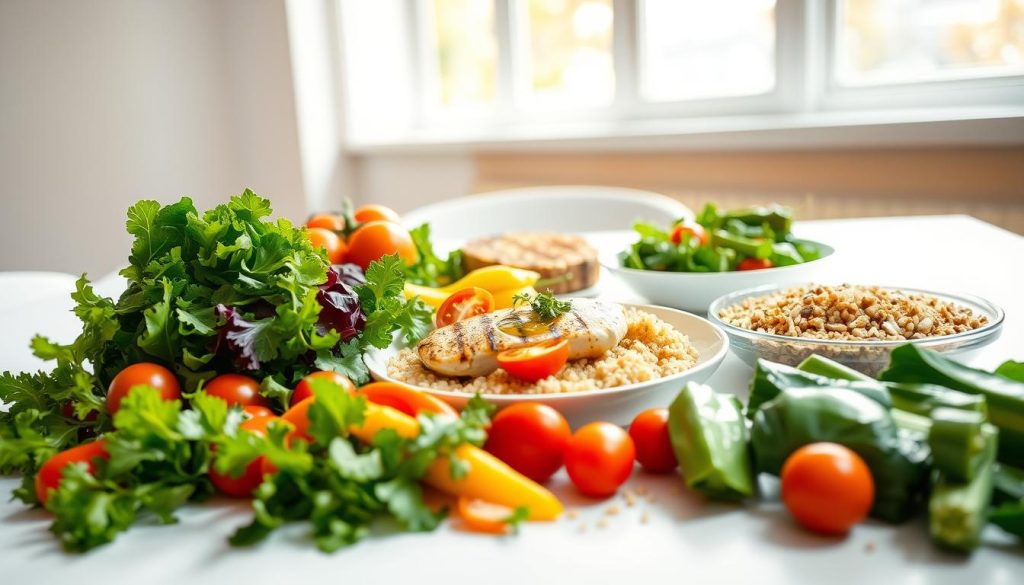
Breakfast options include oat porridge with cinnamon or whole grain pap. For lunch, consider one cup of Ofada rice with vegetable stew. Dinner could feature grilled water yam with pepper soup.
Portion control is essential. A cooked rice portion should be one cup. Beans can range from one to one and a half cups. Vegetables should fill half your plate at every meal.
Designing a Week-Long Meal Plan
Rotate different food combinations throughout the week to prevent boredom. Include three balanced meals plus healthy snacks daily. Baked plantain chips or unsalted nuts make excellent snack choices.
Stay hydrated by drinking at least eight cups of water daily. Plain water is essential—avoid substituting with sweetened beverages. Proper hydration supports overall diabetes management.
This approach ensures variety while maintaining nutritional balance. Each meal combines proteins, whole grains, and vegetables strategically. This supports stable blood sugar levels throughout the day.
Practical Tips for Successful Diabetes Management
Small, consistent adjustments often create the most sustainable results for long-term health. Making these changes gradually helps your body adapt without feeling overwhelmed.
Smart Snacking and Hydration Choices
Choose snacks that won’t spike your blood sugar. Baked plantain chips, unsalted nuts, and garden eggs are excellent options.
For drinks, unsweetened zobo and kunu work well. Remember that water should be your primary beverage. Aim for at least eight cups daily.
Avoid malt drinks and fruit juices. Even natural sweeteners like honey affect blood sugar levels.
Protein Selection and Traditional Foods
Select lean protein sources like fish and skinless poultry. Limit high-fat meats like beef and pork.
Traditional food like fufu can be enjoyed in moderation. Pair small portions with plenty of vegetables to slow glucose absorption.
Many people find that physical activity complements their diet. Simple walking or swimming improves insulin sensitivity.
Adapting to Lifestyle Changes and Medication Needs
Monitor your blood sugar regularly to understand how different foods affect you. This knowledge empowers better choices.
Some people with type 2 diabetes may still need medication. This doesn’t mean failure but proper health management.
When eating out, choose grilled options and control portions. You can still enjoy favorite meals while managing your condition effectively.
Conclusion
Your journey toward better health doesn’t require abandoning the foods you love and grew up with. Discovering the best diet plan for diabetics in Africa means celebrating local ingredients while making smart adaptations for blood sugar control.
Effective diabetes management is absolutely achievable using familiar staples like water yam, Ofada rice, and leafy greens. Remember that controlling blood levels requires a complete approach—thoughtful food choices, proper portions, regular timing, hydration, activity, and medical support when needed.
View this condition as an opportunity to nourish your body with nutrient-rich foods that support long-term health. While this guide provides solid foundations, each person’s needs are unique. Consulting healthcare professionals ensures personalized guidance.
Thousands of people across the continent are successfully managing their diabetes through informed choices. You now have the knowledge and tools to join them in taking control of your well-being.