

Spotting early signs of elevated glucose can make a huge difference in your health journey. Many people experience changes like unusual thirst or tiredness without realizing their importance.
When your body struggles with insulin or glucose levels, it sends signals. These warnings help prevent serious conditions like diabetes and heart problems.
Understanding these clues empowers you to take action. Simple lifestyle adjustments and timely care can significantly improve your well-being.
This guide will walk you through key indicators and practical steps. You’ll learn how to manage your health with confidence and clarity.
Key Takeaways
- Early detection of elevated glucose helps prevent diabetes complications.
- Common signals include increased thirst, frequent urination, and fatigue.
- Both type 1 and type 2 diabetes share similar warning signs.
- Regular monitoring is crucial for those with risk factors like family history.
- Lifestyle changes and medical guidance can effectively manage glucose levels.
- Proactive health decisions lead to better long-term outcomes.
Understanding High Blood Sugar and Its Importance
Grasping the basics of how your body handles energy can change your health outlook. It helps you spot when things might be off balance.
What is Blood Glucose and How It Works
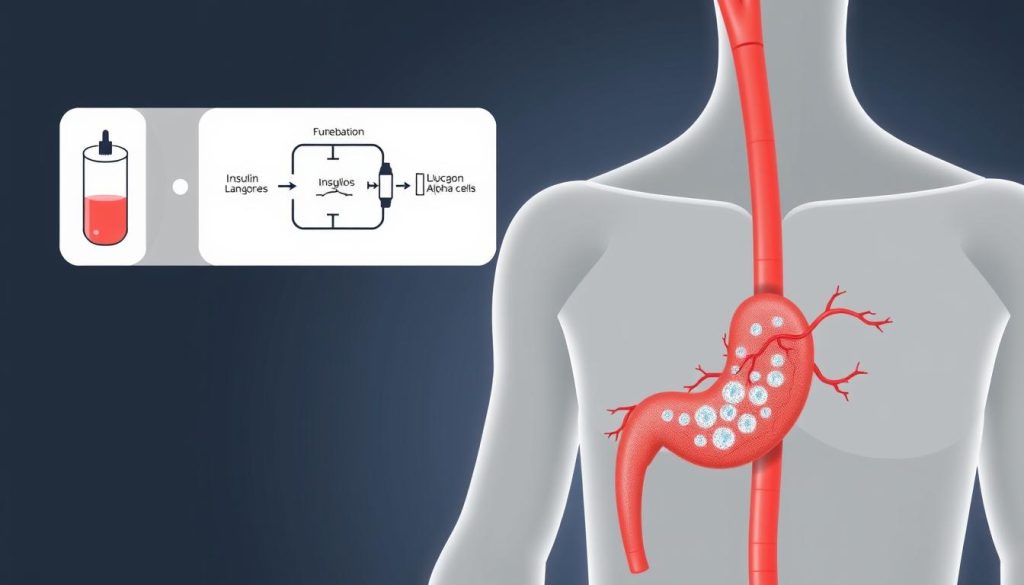
Blood glucose is your main fuel. It comes from the food you eat and gives you energy.
Your pancreas makes insulin. This hormone lets glucose enter your cells to power them up.
When this system works right, you feel strong and alert. Your body stays in good balance.
Why Early Detection Matters for Your Health
Catching issues early can prevent serious trouble. It lets you take charge before problems grow.
Long-term high levels can harm your heart, nerves, and kidneys. Acting soon protects these vital parts.
Regular checks and smart choices keep you on track. Knowledge truly is power for your wellness.
Everyone benefits from understanding these concepts. It leads to better days ahead.
Common Early Warning Signs of High Blood Sugar
Your body often sends clear signals when something isn’t quite right. Learning to recognize these messages can help you stay ahead of potential health issues.

Many people notice changes in their daily routines without understanding their significance. These subtle shifts might indicate your glucose isn’t being managed properly.
Increased Thirst and Frequent Urination
When your kidneys work overtime to filter excess sugar, they produce more urine. This process can leave you feeling constantly thirsty.
You might find yourself visiting the bathroom more often than usual. This cycle of drinking and urinating can become quite noticeable.
Unexplained Hunger and Fatigue
Your cells might not be getting the energy they need, even with plenty of food. This can create feelings of constant hunger despite regular meals.
Without proper energy delivery to your cells, tiredness can become a constant companion. Many describe this fatigue as overwhelming and persistent.
Blurred Vision and Headaches
Changes in fluid balance can affect your eyesight, making things appear fuzzy. This visual disturbance often comes and goes unexpectedly.
Headaches may develop as your body adjusts to these internal changes. These discomforts can make daily tasks more challenging.
Remember: These indicators often appear gradually rather than suddenly. Tracking unusual patterns helps identify potential concerns early.
Both type 1 and type 2 diabetes can present similar warning signs. The speed at which they develop might vary between conditions.
If you notice these changes, consider discussing them with your healthcare provider. Early attention to these signals can lead to better management strategies.
Everyone should pay attention to these bodily messages. Those with family history or certain lifestyle factors might want to be particularly observant.
Your body’s signals are valuable communication—listening to them makes a real difference in maintaining wellness.
Progression of Symptoms: When to Be More Concerned
As glucose regulation issues continue, the body begins showing more pronounced physical changes. These developments often signal that your system has been struggling for some time.
Recognizing these advanced indicators helps you understand when to seek more urgent care. They represent your body’s continued effort to cope with imbalance.
Weight Loss and Persistent Fatigue
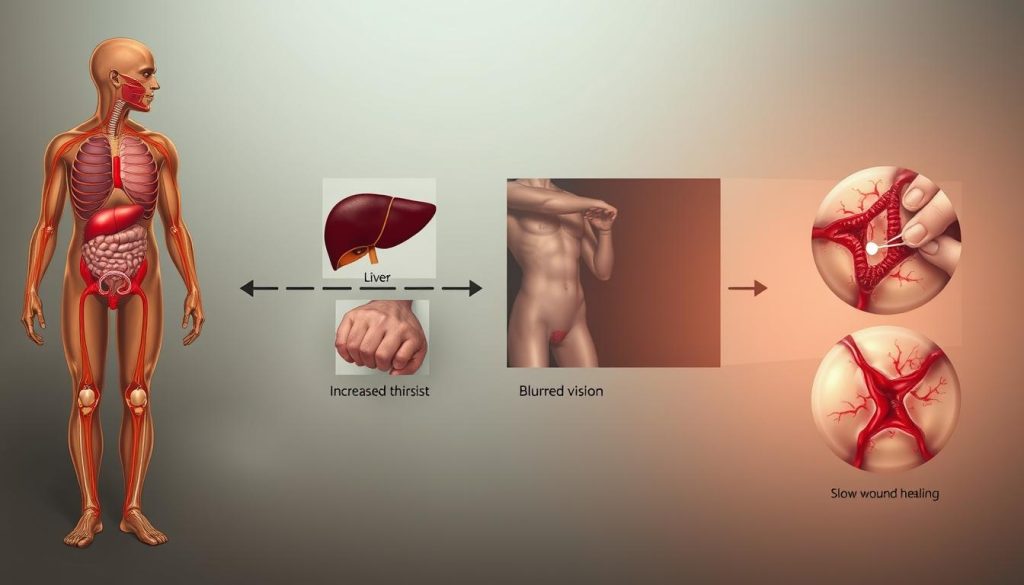
Unexpected weight reduction often surprises people. This occurs when cells cannot access energy from food properly.
Your system starts breaking down muscle and fat for fuel. This process creates noticeable changes in your physique.
Constant tiredness becomes more severe over time. Daily activities may feel increasingly difficult to complete.
This energy crisis affects both physical and mental stamina. Many describe it as an overwhelming drain on their vitality.
Skin Changes and Slow Healing
Your skin may develop unusual patterns or discoloration. Darkened areas often appear in body folds like the neck or armpits.
Small cuts and scrapes take much longer to heal properly. This delayed recovery indicates circulation challenges.
Persistent itching or dryness can become bothersome. These skin issues reflect internal balance problems.
Proper wound healing requires good blood flow and nutrient delivery. Elevated glucose levels interfere with these essential processes.
Recurrent Infections
Frequent yeast infections or urinary issues may develop. Bacteria and fungi thrive in sugar-rich environments.
Your immune system works less effectively under these conditions. This makes you more vulnerable to various infections.
Skin infections might appear more regularly than before. Each occurrence tends to last longer than expected.
Important note: These patterns suggest your body needs professional support. They often indicate prolonged elevation of glucose levels.
Monitoring these changes helps you make timely health decisions. Early intervention can prevent more serious complications.
Regular check-ups become especially valuable when you notice these signs. Your healthcare provider can recommend appropriate testing and treatment options.
Remember that addressing these concerns leads to better management strategies. Positive lifestyle adjustments can make a significant difference in your wellbeing.
Symptoms of high blood sugar before diagnosis
Noticing subtle bodily changes can be your first clue that something needs attention. Many individuals experience these signals long before any medical confirmation occurs.

Your system communicates through various sensations when glucose regulation becomes challenging. Learning to interpret these messages empowers you to take timely action.
How Undiagnosed and Diagnosed Experiences Differ
People without formal identification often notice changes at lower glucose concentrations. Their bodies send stronger signals because everything feels new and unusual.
Those already managing their condition might experience different patterns. Medications and adaptation can raise their symptom threshold significantly.
This variation explains why some individuals feel changes earlier than others. It also highlights why personal awareness matters so much.
Understanding When Signals Typically Emerge
Medical professionals note that noticeable changes often appear around specific concentration points. For undiagnosed individuals, this might happen at milder elevations.
Formally identified individuals might not feel changes until concentrations reach higher levels. Their systems have adjusted to different baseline readings.
This knowledge helps explain why some people feel fine while their numbers suggest otherwise. It also emphasizes why testing matters even without obvious signs.
Remember: Your personal experience might differ from general patterns. Age, overall health, and other factors influence how your body communicates.
Tracking subtle changes provides valuable information for healthcare discussions. It helps bridge the gap between how you feel and what tests reveal.
Early attention to these signals can lead to better management strategies. Simple lifestyle adjustments might make a significant difference in your wellbeing.
Everyone benefits from understanding their body’s unique communication style. This knowledge turns vague concerns into actionable information.
Your awareness creates opportunities for positive health decisions. It transforms uncertainty into confident steps toward better wellness.
Understanding the Causes Behind High Blood Sugar
Knowing why your glucose might rise helps you address the root issues. Various factors can disrupt your body’s natural balance and lead to elevated levels.
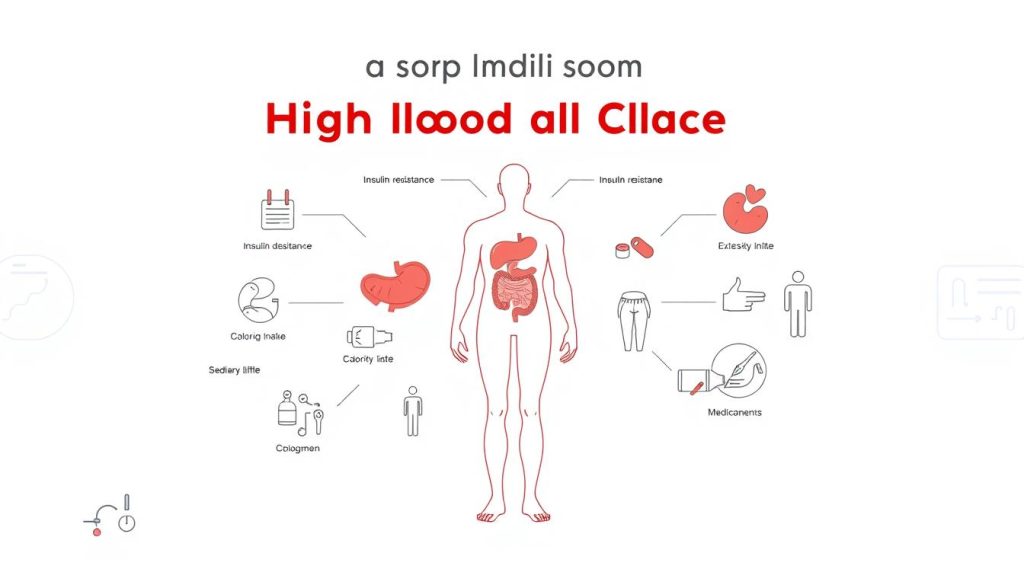
These triggers range from temporary situations to ongoing conditions. Understanding them empowers you to make informed choices about your wellness.
Insulin Resistance and Pancreas Issues
Sometimes your cells stop responding properly to insulin. This condition forces your pancreas to work harder producing more hormone.
Eventually, this overwork can lead to decreased insulin production. The resulting imbalance allows glucose to accumulate in your bloodstream.
Pancreatic problems might stem from autoimmune conditions or inflammation. These issues directly impact your body’s ability to create enough insulin.
Temporary vs Chronic Causes
Short-term spikes often come from stress, illness, or certain medications. These usually resolve once the underlying situation improves.
Long-term elevation frequently connects to weight issues and inactivity. Genetic conditions can also create persistent challenges with glucose regulation.
Recognizing this difference helps determine appropriate management strategies. Temporary issues might need different approaches than chronic conditions.
Genetic and Hormonal Factors
Your family history can influence how your body handles sugar. Some inherited conditions directly affect insulin function and production.
Hormonal changes during pregnancy or from certain syndromes also play roles. These fluctuations can temporarily or permanently alter your glucose processing.
Understanding these influences helps you and your healthcare provider create effective plans. It turns unknown concerns into manageable situations.
Remember: Many causes respond well to lifestyle adjustments and proper medical care. Early attention to these factors can prevent more serious health complications.
Your awareness creates opportunities for positive decisions about your wellbeing. Knowledge truly becomes power when managing your glucose levels.
Risk Factors and Who Should Be Most Vigilant
Understanding your personal risk profile helps you stay ahead of potential health challenges. Certain factors make some individuals more likely to experience glucose regulation issues.
Knowing these elements empowers you to take proactive steps. It turns uncertainty into actionable awareness for better wellness.
Family History and Genetic Predisposition
Your genetic background plays a significant role in how your body processes sugar. If close relatives have diabetes, your likelihood increases substantially.
Certain inherited traits affect how your cells respond to insulin. This doesn’t mean destiny—it means needing extra awareness.
Genetic testing can provide valuable insights for those with strong family histories. It helps create personalized prevention strategies.
Lifestyle Factors That Increase Risk
Daily habits significantly influence your glucose management. Sedentary routines and poor dietary choices create challenges for your system.
Processed foods and sugary drinks force your body to work harder. They can overwhelm your natural insulin production over time.
Regular physical activity helps your cells use glucose more effectively. Simple movement breaks make a real difference in metabolic health.
Small, consistent changes often yield better results than drastic overhauls. Sustainable adjustments create lasting benefits.
Age and Weight Considerations
While older adults face higher risks, younger people aren’t immune. Rising obesity rates affect all age groups now.
Excess weight, particularly around the abdomen, directly impacts insulin sensitivity. This visceral fat actively interferes with proper glucose processing.
Children and teenagers with weight concerns should receive particular attention. Early intervention prevents longer-term complications.
“Knowledge of risk factors isn’t about fear—it’s about empowerment. Understanding your profile helps you make informed choices for better health.”
Those with multiple risk factors should consider regular screening. Early detection through simple tests can prevent serious conditions.
Remember that most risk elements respond well to positive lifestyle changes. Support systems and community resources make maintaining healthy habits easier.
Your awareness today creates opportunities for better wellness tomorrow. Proactive attention to these factors leads to confident health management.
How to Monitor Your Blood Sugar Levels
Keeping track of your glucose numbers gives you real-time insights into your metabolic health. Regular monitoring helps you spot patterns and make informed decisions about your wellness journey.
Modern tools make checking your levels easier than ever. They provide valuable information that guides your daily choices and long-term health strategies.
Home Testing Methods and Techniques
Blood glucose meters offer quick, accurate readings from a small fingerstick sample. These devices are portable and simple to use anywhere.
Continuous monitoring systems use tiny sensors placed under your skin. They track your glucose throughout the day and night.
Both methods provide immediate feedback about your current status. This helps you understand how food, activity, and stress affect your numbers.
Understanding Target Ranges
Most adults aim for 80-130 mg/dL before meals. After eating, targets typically stay below 180 mg/dL.
Your healthcare team can help personalize these goals based on your age and specific condition. Individual factors like activity level and overall health influence ideal ranges.
Knowing your targets helps you recognize when readings fall outside desirable levels. This awareness guides appropriate adjustments to your routine.
When to Consider Professional Testing
A1C tests measure your average glucose over several months. These professional assessments provide a bigger picture of your metabolic health.
Consider professional testing if home readings consistently show elevated levels. Regular check-ups are especially important if you experience symptoms of high blood sugar before diagnosis.
Your doctor might recommend testing every three to six months. This frequency helps track progress and adjust treatment plans as needed.
Regular monitoring creates opportunities for early intervention. It helps prevent diabetes complications and maintains better overall health.
Keep a simple log of your readings alongside notes about meals and activities. This practice reveals patterns that might otherwise go unnoticed.
Modern technology makes tracking your glucose convenient and accurate. These tools empower you to take control of your wellness with confidence.
When to Seek Medical Attention
Knowing when to reach out for professional help makes all the difference in managing your wellness. Some situations require immediate action while others benefit from regular monitoring.
Your body gives clear signals when things become serious. Recognizing these signs helps you take the right steps at the right time.
Emergency Symptoms: Diabetic Ketoacidosis Warning Signs
Diabetic ketoacidosis represents a critical health situation. It occurs when your body cannot produce enough insulin properly.
Watch for these urgent warning signals:
- Nausea and vomiting that won’t stop
- Strong fruity odor on your breath
- Severe abdominal discomfort
- Deep, labored breathing patterns
- Rapid heartbeat and confusion
- Dehydration and loss of consciousness
This condition develops when your cells cannot access energy from glucose. Your system starts breaking down fat for fuel instead.
The process creates acidic compounds called ketones. These substances accumulate to dangerous levels in your blood.
Seek emergency care immediately if you experience these signs. Delaying treatment can lead to coma or more severe complications.
This dangerous situation requires hospital intervention. Medical professionals provide fluids, insulin, and careful monitoring.
Regular Check-ups and Screening Recommendations
Routine health assessments help catch issues before they become serious. They provide valuable insights into your metabolic condition.
Adults over 45 should consider regular glucose testing. Those with risk factors might need earlier and more frequent checks.
Common risk elements include:
- Family history of diabetes
- Excess weight, particularly around the abdomen
- Certain ethnic backgrounds
- Previous blood sugar concerns
- History of heart conditions
Your healthcare provider might recommend A1C tests every six months. This simple blood test shows your average glucose level over several months.
Fasting glucose tests and oral glucose tolerance tests also provide useful information. These help identify how your body processes sugar after eating.
“Regular screening isn’t about finding problems—it’s about confirming wellness. These checks provide peace of mind and prevent future health challenges.”
Schedule appointments during annual physical exams or when new symptoms appear. Building a relationship with your medical team ensures ongoing support.
Even without noticeable changes, those at risk should undergo periodic testing. Early detection allows for simpler treatment approaches.
Your doctor can personalize screening frequency based on your individual health status. This proactive approach helps maintain better long-term outcomes.
Remember that seeking attention for mild concerns prevents emergencies. Regular care forms the foundation of effective health management.
Preventive Measures and Lifestyle Adjustments
Taking proactive steps can transform your health journey. Simple daily choices build powerful protection against glucose challenges.
These adjustments work together to support your body’s natural balance. They create a strong foundation for lasting wellness.
Dietary Changes to Manage Blood Glucose
What you eat directly impacts your energy levels. Smart food choices help maintain stable readings throughout the day.
Focus on whole foods like vegetables, lean proteins, and whole grains. These provide steady energy without sharp spikes.
Reduce processed items and sugary drinks. They overwhelm your system and disrupt natural insulin function.
Balanced meals with proper portions make a real difference. Many find that eating smaller meals more frequently works best.
Exercise and Activity Recommendations
Movement helps your cells use energy more effectively. Regular activity improves insulin sensitivity naturally.
Aim for at least 30 minutes of moderate exercise daily. Brisk walking, swimming, or cycling are excellent choices.
Consistency matters more than intensity. Find activities you enjoy to make fitness a sustainable habit.
Simple changes like taking stairs or walking breaks add up. Every movement contributes to better metabolic health.
Stress Management Techniques
Stress hormones can directly affect your glucose regulation. Learning to manage tension supports overall balance.
Practice deep breathing or meditation for a few minutes daily. These techniques lower cortisol levels effectively.
Quality sleep and enjoyable hobbies also reduce stress. They provide mental refreshment and physical restoration.
Remember: Small, consistent changes create the biggest impact. Start with one adjustment and build from there.
Monitor your progress with regular testing. Seeing improvements motivates continued effort.
These lifestyle measures receive strong support from health experts. They can be tailored to fit any preference or routine.
“Wellness isn’t about perfection—it’s about progression. Each positive choice moves you toward better health.”
Many people find that combining these approaches works best. Dietary changes, activity, and stress reduction support each other.
Your efforts today create lasting benefits for tomorrow. Preventive care puts you in control of your wellbeing.
Enjoy the journey toward better health. Every step forward deserves celebration.
Conclusion
Taking charge of your wellness begins with awareness. Recognizing early signals helps prevent serious health complications.
Understanding how your body processes energy makes a real difference. Simple lifestyle changes support better glucose management.
Regular monitoring and professional guidance keep you on track. These steps help maintain healthy blood sugar levels.
Your journey toward better health starts today. Small, consistent actions create lasting benefits for your wellbeing.